

Your home is likely your biggest investment, and protecting it from damage should be a top priority. Termites work silently behind walls and beneath floors, causing billions of dollars in structural damage across the country each year. In the Houston area's warm, humid climate, these pests thrive year-round, making early detection critical for homeowners in Katy, Sugar Land, Cypress, and surrounding communities.
If you notice any warning signs of termite activity, don't wait to take action. Contact Aviator Pest Control through our online contact form or call (832) 864-9713 today for a thorough inspection.
Understanding the Termite Threat in Southeast Texas
Termites cause more than $5 billion in property damage annually in the United States, and most homeowners' insurance policies don't cover termite damage. Our region's mild winters and high humidity create ideal conditions for these wood-destroying insects to remain active throughout the year. Unlike areas with harsh winters that slow termite activity, Houston-area homeowners face continuous risk.
Subterranean termites, the most common type in our area, live in underground colonies that can contain millions of insects. They build mud tubes to travel between their nests and food sources, which means your home's wooden structures. A mature colony can consume about one pound of wood per day, though damage accumulates slowly over months or years before becoming visible.
Visual Signs of Termite Activity
Mud Tubes on Exterior Walls or Foundation
One of the most recognizable signs of termite presence is the appearance of mud tubes on your home's exterior. These pencil-width tunnels are made from soil, wood particles, and termite saliva, providing protected pathways for termites to travel between the ground and your home's wood. Check your foundation, exterior walls, crawl spaces, and anywhere wood contacts soil.
If you spot these tubes, resist the urge to simply knock them down and forget about them. Even if you destroy the tubes, the colony remains active and will likely rebuild them or find alternative routes into your home.
Hollow-Sounding Wood
Termites consume wood from the inside out, leaving a thin veneer of timber or paint on the surface. Tap on wooden surfaces throughout your home, especially near the foundation, around door frames, and along baseboards. Hollow-sounding wood or wood that sounds papery when tapped could indicate termite damage beneath the surface.
You might also notice that floors feel spongy or that doors and windows suddenly become difficult to open or close. These issues occur because termite damage and the moisture they introduce can cause wood to warp or weaken.
Discarded Wings Near Windows and Doors
In spring and early summer, reproductive termites called swarmers leave their colonies to mate and establish new nests. After swarming, these termites shed their wings in piles near entry points like windows, doors, and light fixtures. Finding small piles of discarded wings that look similar in size and shape is a strong indicator that termites have either invaded your home or are attempting to establish a colony nearby.
Many homeowners mistake termite swarmers for flying ants. Termites have straight antennae, equal-length wings, and thick waists, while flying ants have bent antennae, unequal wing lengths, and pinched waists.
Structural and Surface Damage
Bubbling or Peeling Paint
Paint that bubbles, peels, or looks water-damaged on walls or wooden surfaces can signal termite activity below. As termites tunnel through wood, they create air pockets and introduce moisture that causes paint to separate from the surface. This damage often resembles water damage, so it's worth investigating further if you haven't experienced any leaks or flooding.
Small Holes in Drywall
Tiny pinpoint holes in your drywall, accompanied by a fine powdery substance, might indicate termite exit holes. Drywood termites, though less common than subterranean termites in our area, push out their waste pellets through these small openings. The pellets look like tiny wood-colored granules or sawdust.
Sagging Floors or Ceilings
Advanced termite infestations can compromise your home's structural integrity. If you notice floors that sag, ceilings that appear to be drooping, or walls that seem to be buckling, termites may have caused significant damage to support beams or floor joists. This level of damage requires immediate professional attention to assess safety concerns and prevent further deterioration.
Less Obvious Warning Signs
Some indicators of termite problems are subtler and easier to overlook during routine home maintenance.
Frass or Termite Droppings
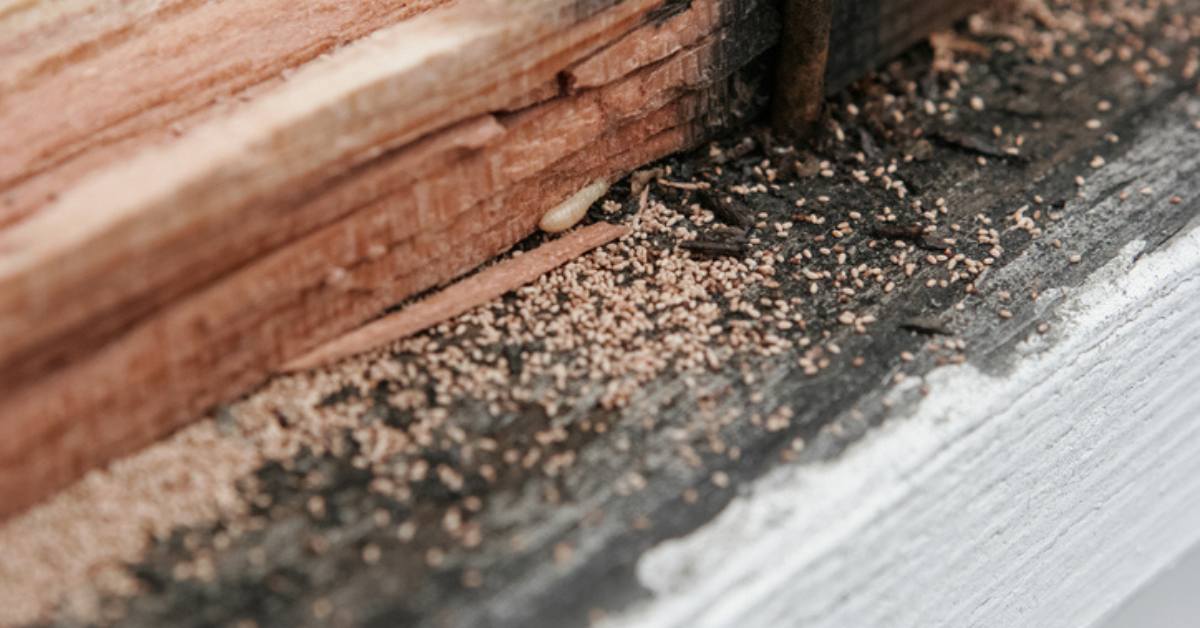
Drywood termites produce wood-colored droppings called frass that accumulate near their feeding sites. These pellets are hexagonal and roughly the size of a grain of sand. You might find small piles of frass below areas where termites are active, such as beneath wooden furniture, near walls, or on windowsills.
Clicking Sounds Within Walls
In quiet conditions, you might hear faint clicking or rustling sounds coming from inside your walls. Soldier termites bang their heads against wood or shake their bodies when the colony is disturbed to signal danger to other termites. While these sounds are quiet, they can sometimes be detected in the stillness of night.
How to Respond When You Suspect Termites
Don't Panic, But Act Quickly
Discovering potential termite signs can feel overwhelming, but remember that termite damage typically develops over an extended period. You have time to make informed decisions, but delaying action allows the problem to worsen. Document what you've observed by taking photos and notes about locations and dates when you noticed signs.
Schedule a Professional Inspection
A trained pest control professional can identify termite species, locate colonies, assess the extent of damage, and recommend appropriate treatment options. Professional inspections involve checking your home's interior and exterior, including crawl spaces, attics, and areas where moisture accumulates. Technicians use specialized tools to detect hidden infestations behind walls and beneath floors.
Modern inspection technology includes moisture meters, infrared cameras, and acoustic sensors that can identify termite activity without damaging your home. These tools help create a complete picture of your termite situation.
Understand Your Treatment Options
Termite control strategies vary based on the type of termites, the severity of the infestation, and your home's construction. Common approaches include:
- Liquid Soil Treatments: A liquid termiticide is applied to the soil around your home's foundation, creating a protective barrier that kills termites as they attempt to enter your property.
- Bait Station Systems: Strategically placed bait stations contain materials that attract termites. Once termites consume the bait, they carry it back to the colony, eventually eliminating the entire population.
- Wood Treatments: Direct application of termiticides to infested wood can eliminate localized colonies, though this approach works best in combination with other methods for comprehensive protection.
Your pest control professional will explain which approach makes the most sense for your specific situation. Treatment plans often combine multiple strategies for the most thorough results.
Address Moisture Issues and Contributing Factors
Termites need moisture to survive, so reducing excess moisture around your home makes your property less attractive to these pests. Fix leaking faucets, repair damaged gutters and downspouts, ensure proper drainage away from your foundation, and improve ventilation in crawl spaces and attics. Remove wood-to-soil contact around your home, including firewood stored against exterior walls, landscape timbers, and wooden fence posts that touch the ground.
Trim back vegetation that grows close to your home's exterior, as dense plantings can trap moisture against siding and foundation walls. Regular maintenance and monitoring help catch new termite activity before it becomes a major problem.
Prevention Strategies for Long-Term Protection
While dealing with an active infestation requires professional treatment, you can take steps to reduce your risk of future termite problems. Schedule annual termite inspections to catch early warning signs before significant damage occurs. Many pest control companies offer monitoring programs that provide ongoing protection and regular check-ins.
Store firewood, lumber, and other wood materials at least 20 feet from your home and keep them elevated off the ground. Seal cracks in your foundation and around utility penetrations to eliminate potential entry points. Consider using termite-resistant materials during renovations or new construction projects.
Protect Your Home with Professional Termite Services
Termites threaten the safety and value of your home, but early detection and professional treatment can stop damage before it becomes extensive. If you've noticed any of the warning signs described in this article, or if it's been more than a year since your last termite inspection, now is the time to take action. Our team at Aviator Pest Control serves homeowners throughout Katy, Sugar Land, Cypress, and the greater Houston area with thorough inspections and effective treatment solutions.
Contact us through our online contact form or call (832) 864-9713 to schedule your termite inspection today.